


San Diego Mayor Todd Gloria

Meet Mayor Todd Gloria
About Mayor Todd Gloria
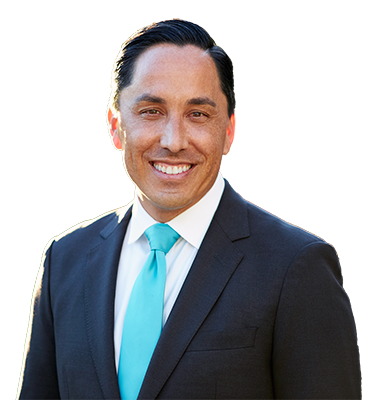
Welcome!
Todd Gloria is a third-generation San Diegan who has dedicated his career to public service and to making the city he loves a better place for everyone who calls it home.
Today, he serves as the 37th Mayor of the City of San Diego and the 2026–2027 President of the United States Conference of Mayors.
Raised in San Diego by his parents — a hotel maid and a gardener — Mayor Gloria learned early the value of hard work and a lesson that has guided his life in public service: if you care about something, you should leave it better than you found it.
Of Filipino, Dutch, Puerto Rican and Native American descent, Mayor Gloria grew up understanding that San Diego’s diversity is one of its greatest strengths. That experience continues to shape how he leads the city today.
A Career in Public Service
Mayor Gloria has spent his professional life serving the public. He began his career at the County of San Diego’s Health and Human Services Agency before serving as District Director to U.S. Congresswoman Susan A. Davis, whom he credits as a mentor.
In 2008, he was elected to represent San Diego’s Third District on the City Council. His Council colleagues elected him City Council President in 2012, and in 2013 he stepped forward to serve as Interim Mayor during a period of significant turmoil at City Hall, helping restore stability and public trust in city government.
In 2016, Mayor Gloria was elected to the California State Assembly, where he represented the 78th Assembly District and rose to serve as Majority Whip. During his time in the Legislature, he authored and advanced legislation addressing many of the challenges facing California’s cities, including housing affordability, homelessness, gun violence prevention and climate change.
Leading San Diego
In 2020, San Diegans elected Todd Gloria as their Mayor, making him the first person of color and first openly LGBTQ+ person elected to lead the city. San Diegans reelected him to a second term in 2024.
As Mayor, he has focused his administration on the issues that most directly affect San Diegans’ quality of life: building more housing, reducing homelessness, keeping communities safe, repairing streets and infrastructure, strengthening San Diego’s economy and responsibly managing the City’s finances.
His administration has advanced major reforms to accelerate housing production and affordable housing, expanded shelter and services for people experiencing homelessness, and made significant investments in neighborhoods and critical infrastructure across the city.
Mayor Gloria has also championed major investments in San Diego’s water future and climate resilience while working to strengthen the industries and institutions that drive the region’s economy. Under his leadership, San Diego continues to build on its strengths as a center for innovation, tourism, life sciences, defense and the binational economy.
Throughout his time as Mayor, he has emphasized a straightforward approach to governing: focus on the issues residents experience every day, work across differences to solve problems and earn the public’s trust by delivering results.
National Leadership
Mayor Gloria’s leadership in San Diego has earned recognition from mayors across the country.
After previously serving as Vice President of the United States Conference of Mayors, his fellow mayors elected him the organization’s 84th President for the 2026–2027 term. He is the first Mayor of San Diego and the first openly LGBTQ+ mayor in the organization’s history to serve as President.
As USCM President, Mayor Gloria works with mayors of both parties to advance practical solutions to the challenges facing American cities, including housing affordability, public safety, infrastructure, economic opportunity and the rising cost of living.
His national leadership is rooted in his experience governing San Diego and his belief that local government is where Americans most directly experience their democracy. For Mayor Gloria, public trust is earned by delivering results and demonstrating that government can make a meaningful difference in people’s everyday lives.
A San Diegan
Mayor Gloria is a graduate of the University of San Diego and an enrolled member of the Central Council of the Tlingit and Haida Indian Tribes of Alaska.
He lives in Downtown San Diego and remains deeply connected to the city and community that shaped him.