

Connected and Informed Communities
Connected & Informed Communities Policies
Expand a policy to view related resilience and adaptation strategies and their implementation statuses.
Implementation Highlights
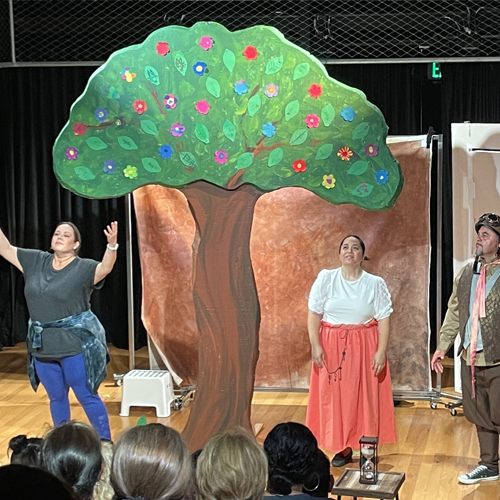
The Cultural Affairs Office completed two years of the Far South/Border North program. This investment focused on providing financial support to artists and cultural practitioners within the Far South region of California. The Far South/Border North program supported artists and cultural practitioners in developing and implementing public awareness campaigns to cultivate awareness, belonging, social cohesion and connection across the bi-country region. Five of the public awareness campaigns focused on climate goals including Somos Aire by Johnny Bear Contreras and Mabelle Reynoso, which increased awareness about air pollution and potential responses through theatrical performance, visual art, and interactive student workshops in San Ysidro and the South Bay. Read more about the Far South / Border North program in the 2025 Impact Report.
Photo credit: Johnny Bear Contreras and Mabelle Reynoso, Somos Aire
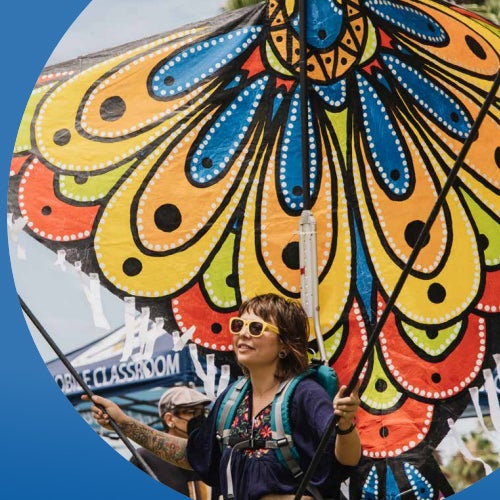
Creative City is the City of San Diego’s first comprehensive cultural plan. Adopted in January 2025, the plan provides a 10-year framework to advance arts, culture and creativity for the benefit of San Diegans, as well as the greater transborder region. Developed through extensive and inclusive public engagement involving nearly 1,800 people, the plan sets forth a shared vision and actionable strategies to sustain and grow San Diego’s vibrant creative ecosystems, where arts and culture advance dialogue, development and diversity.
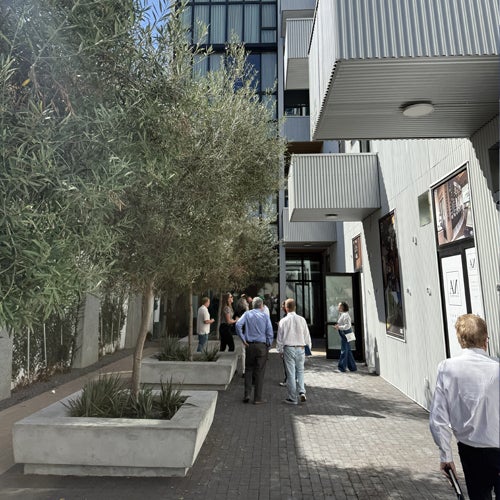
In spring of 2025, City Planning launched a Technical Assistance Panel with the Urban Land Institute through the CA-NV Leadership Exchange. The Exchange is a yearlong initiative that supports cities in California and Nevada as they tackle climate risks such as heat and drought, along with other environmental vulnerabilities. The program connects public agencies and real estate and planning professionals to develop smarter, more resilient land use strategies. Through participation in the program, the City will explore design strategies for sustainable and heat resilient homes for Missing Middle Housing. This effort supports the City's housing, sustainability and climate resilience goals.
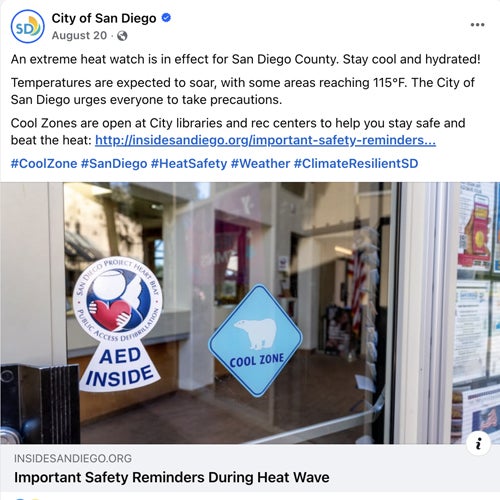
The Climate Resilience Social Media Guidelines are used to enhance City communication and sharing of resources around preparing for and responding to climate change hazards. Public Information Officers and the social media team reference to it to create educational posts on climate change hazards and for letting the public know when climate change hazards occur.
In FY25, the Communications Department shared 42 social media posts across its platforms using the #ClimateResilientSD hashtag, resulting in 242,563 impressions and 13,287 engagements. Post covered topics of brush management, high tides, extreme heat preparedness, cool zone access, wildfire preparedness, and climate change awareness.
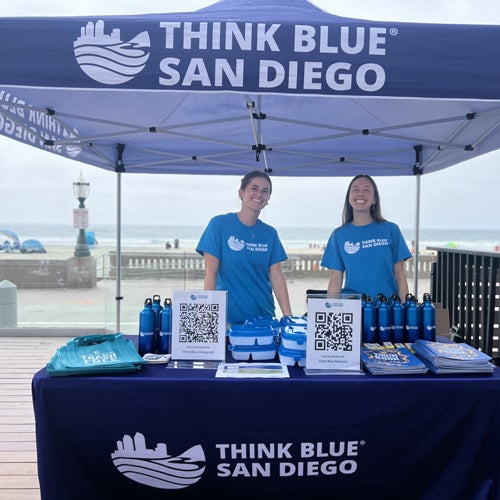
The Think Blue public education and outreach program continued with paid advertising, updates to the thinkblue.org website, social media campaigns and educational activities/cleanups. Additionally, Think Blue helped distribute a flood preparedness flyer to 10,000 residents and property owners living in floodplains and created a new brochure that includes information on the City’s water-saving rebate opportunities. The program had approximately 11 million impressions.
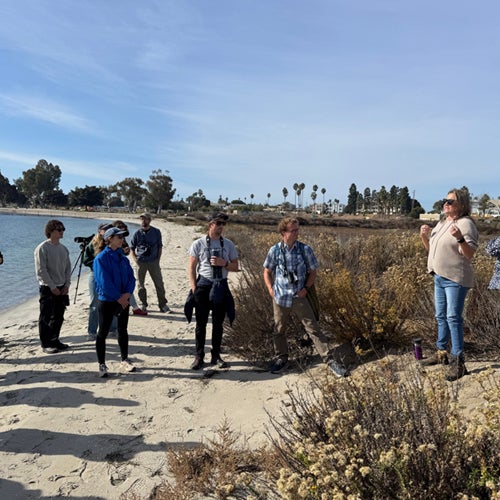
The City continues to build regional resilience through collaboration with other local, regional, and State agencies, as well as community-based organizations and non-profits. This includes participation in the SANDAG Regional Habitat Taskforce, Port of San Diego Shoreline Compass Working Group, SANDAG Binational Resilience Taskforce, San Diego Regional Climate Collaborative and Project Clean Water.