


Storm Damage and Renter's Rights
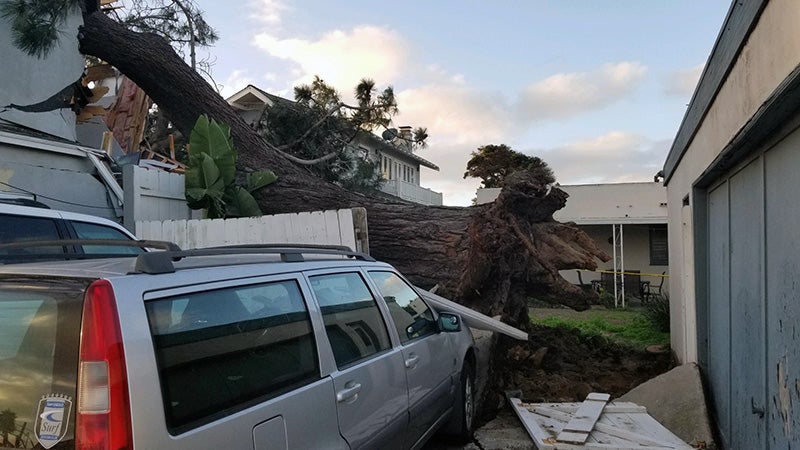
Maintaining a rental property and taking action to mitigate weather damage to the site is the responsibility of the landlord, not the tenant. But there are still things you can do to help protect your family and your property.
- Are you at risk for flooding? Check out the “Do You Live in a Flood Zone?”
- Look into renter’s insurance. Landlords are generally not responsible for damage to belongings, only damage to the housing unit, unless specified in the lease.
- Have an emergency plan for your family.
- Have a go bag/emergency kit in case you cannot immediately return to the housing unit. Make sure important documents are with your go bag/emergency kit.
- Alert your landlord as soon as you can, after a disaster.
A disaster does not automatically terminate a tenancy. Nor does it give landlords the right to unilaterally raise the rent, remove the tenant or re-rent the unit at a higher market rate.
If a rental unit is damaged or destroyed by a natural disaster, the landlord must repair the unit to make it habitable. If the damage is so extensive that the unit cannot be repaired within a reasonable time, the landlord may need to terminate the tenancy and return unused rent and security deposits.
If the unit is uninhabitable due to disaster damage, rent obligations may be suspended or reduced until repairs are made.
Under Cal. Under Civ. Code § 1942.4, a tenant may withhold rent if the landlord fails to make repairs within a reasonable time after notice and the condition materially affects the tenant's health and safety.
Some of the things you can do if the housing unit is uninhabitable after a natural disaster:
- Notify the landlord in writing that you intend to return once the unit is repaired.
- Request regular updates on the repair timeline, inspection reports and permits.
- Do not sign any waiver, lease termination or “cash for keys” agreement without first speaking to a tenant attorney.
- Keep copies of all communications with the landlord, especially anything related to timelines or promises.
- Keep your landlord updated with your current address, phone number and email so they can notify you when repairs are complete.
- Additional rules often apply to subsidized tenancies. Tenants living with a housing subsidy should seek legal advice to learn more about their rights and obligations.
Resources
Through the City’s participation in the National Flood Insurance Program, thousands of eligible local property owners and renters can also receive access to a 15% discount on flood insurance premiums. Learn more on the City’s Floodplain Management webpage.
Please contact 211 San Diego for information and resources or contact staff via telephone by dialing 2-1-1 or 858-300-1211. 211 San Diego staff will conduct an assessment to determine the best resources to offer based on the client’s current needs. This is the quickest way to connect with a comprehensive database of resources available 24/7.
Contact Legal Aid Society of San Diego for free assistance with housing issues or questions about your rights as a tenant, discrimination in housing and other emergency resources . Call to speak to the intake team, Monday through Friday, 9 a.m. – 5 p.m. at 877-534-2524; or send an email using the contact form; or come into one of their two office locations.
Contact the University of San Diego (USD) School of Law, which operates an on-site Eviction Negotiation Program (Clinic) and other resources as part of its Housing Rights Clinic. The program provides free legal help and settlement representation to low-income tenants facing active eviction (unlawful detainer) proceedings on their trial dates. Contact the USD Legal Clinics at usdlegalclinics@sandiego.edu or 619-260-7470.
Additional resources, referrals and know-your-rights information for tenants in San Diego County can be found on the Housing Justice Collaborative website.
NOTE – The above is for informational purposes only and does not provide legal advice or direction. Residential renters should consult with their own respective legal representatives or advisors. Tenant advocacy groups, legal assistance organizations (like the Legal Aid Society) and landlord associations are available and may be able to provide additional guidance.