


Guide to Defensible Space: Property Owners
On this page:
Why Brush Management Matters
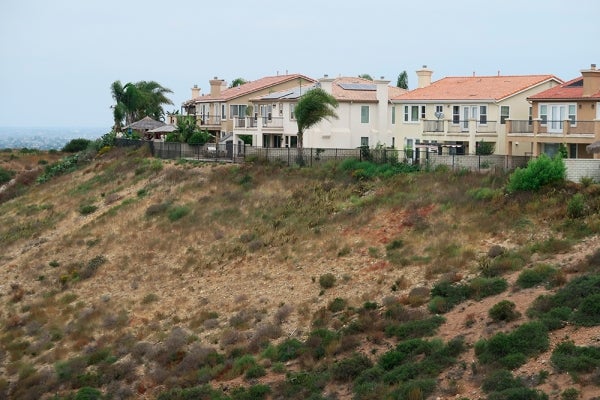
The city of San Diego has over 500 linear miles of wildland-urban interface, which is where homes meet dense vegetation in canyons and other open space areas. Years of drought worsened by climate change have increased the risk for dangerous wildfires to occur in these areas.
Defensible space is the buffer zone you should create around a structure to protect it. Creating and maintaining defensible space around your home helps slow or stop the spread of wildfire and gives firefighters room to safely defend your property from flames and wind-driven embers.
Brush Management Zones
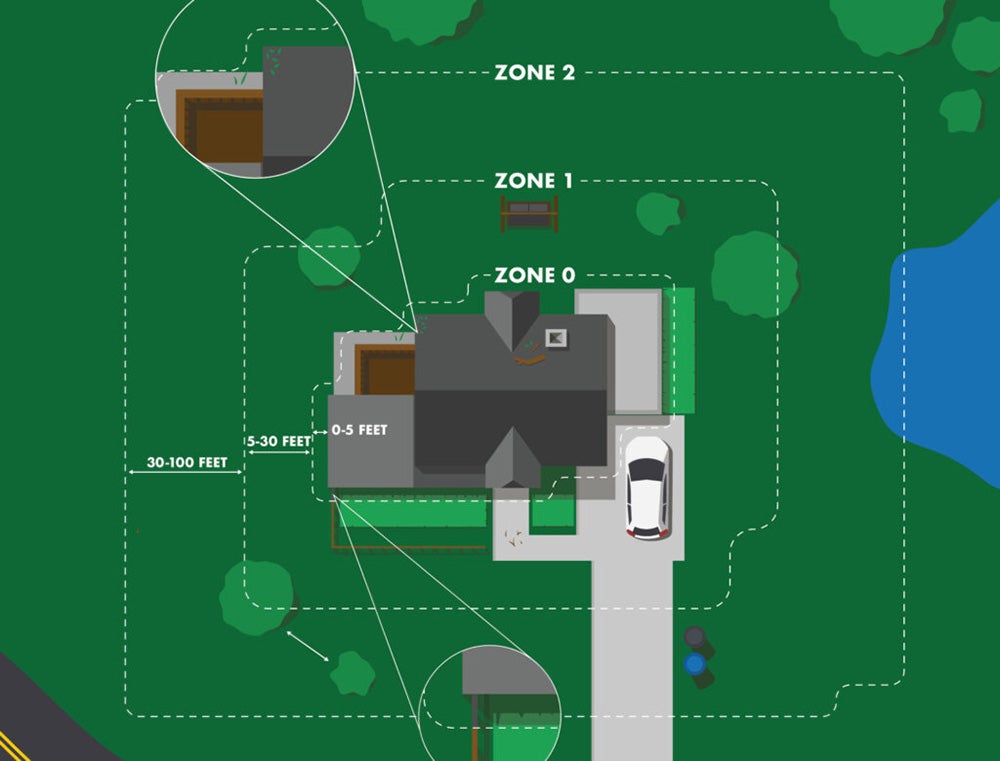
Brush management is divided into three fuel modification zones, extending 100 feet from any structure.
- Zone 0: 0-5 feet
- Zone 1: 5-30 feet
- Zone 2: 30-100 feet
Clearing brush and flammable materials in these areas is required by law for homes located within the city of San Diego's Very High Fire Severity Zones. Learn more about each zone, the legal requirements, and how to create and maintain defensible space around your property below.
Zone 0
Zone 0 Guidelines for Existing Structures: Get detailed requirements and guidance on acceptable materials and maintenance for the first 5 feet around your home. View the Guidelines.
IMPORTANT: Zone 0 will now be required for all new structures built within Very High Fire Severity Zones after February 28, 2026. Existing home and property owners should aim to meet Zone 0 guidelines outlined in California Assembly Bill 3074 (AB 3074) by February 2027. To see if you live in a Very High Fire Severity Zone, please visit the Very High Fire Severity Zone webpage.
Zone 0 is the area within 5 feet of a home or building, including outbuildings, attached decks, and stairs. Keeping this area clear of vegetation and other flammable materials helps prevent wildfire from reaching the structure, especially from wind-driven embers.
- Remove dead plants, dry or fallen leaves, pine needles, mulch, firewood, trash, debris, and other flammable materials within five feet of your home, including roofs and gutters, decks, porches, balconies, stairways, and any areas beneath the home.
- Use hardscape materials such as concrete, gravel, pavers, or bare soil.
- Trees are allowed in Zone 0 as long as they are properly maintained and regularly pruned. Healthy branches must be kept at least five feet from roofs and exterior walls. At maturity, the tree canopy (drip line) must be maintained at least 10 feet from roofs and other structures, including chimneys and stovepipes. Dead or dying branches must be removed regularly. See Zone 1 guidance below for tree trimming guidelines.
- Limit combustible items like outdoor furniture and planters on top of decks.
- Replace combustible fencing, gates, and arbors with noncombustible alternatives.
- Consider relocating garbage and recycling containers, boats, RVs, and vehicles outside of Zone 0.
For more information, refer to Zone 0 Frequently Asked Questions from the State Board of Forestry & Fire Protection.
The Fire-Rescue department is committed to providing education, guidance, and support to help create more fire-safe communities in San Diego. Sign up to get email updates about Zone 0 and defensible space.
Zone 1
Zone 1 extends 5 to 30 feet outward from a home or building or to the property line, whichever is closer. This area should be maintained on a regular basis by trimming and thinning plants, controlling weeds, and maintaining irrigation systems.
- Remove all dead and dying grass, plants, shrubs, trees, branches, leaves, weeds, and tree needles.
- Plants in this zone should be less than 4 feet tall and fire resistant, with the exception of trees. For a list of recommended plants, please refer to the County of San Diego’s fire resistant plant list.
- Vegetation should be watered and well-maintained.
- Trees should be properly maintained and regularly pruned. Healthy branches must be kept at least five feet from roofs and exterior walls. At maturity, the tree canopy (drip line) must be maintained at least 10 feet from roofs and other structures, including chimneys and stovepipes. Dead or dying branches must be removed regularly.
- Trim trees regularly to keep branches a minimum of 10 feet from other trees and other plants.
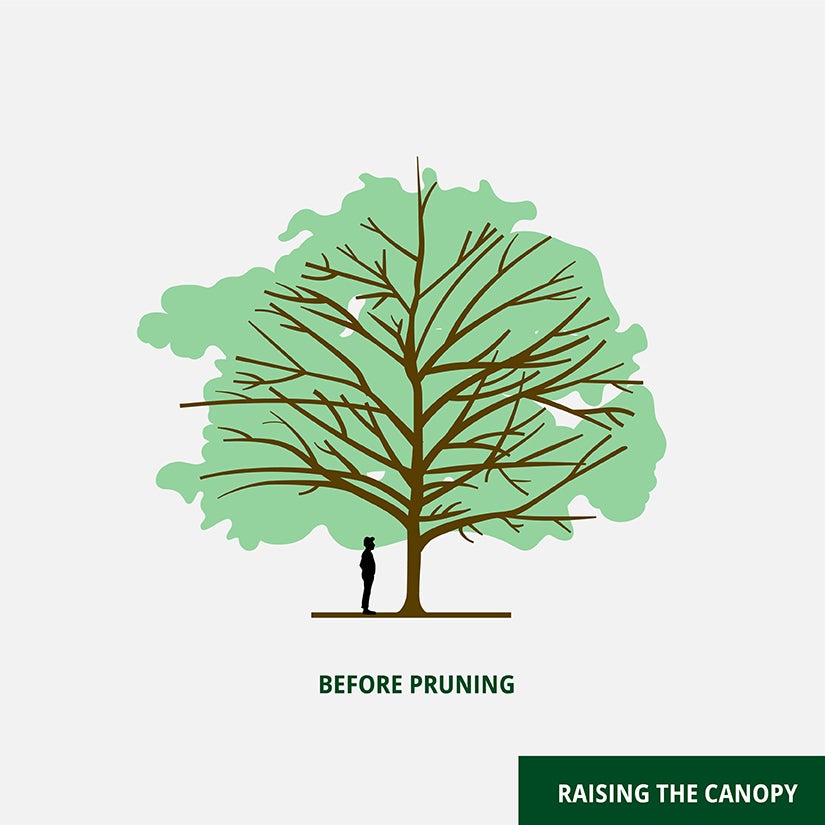
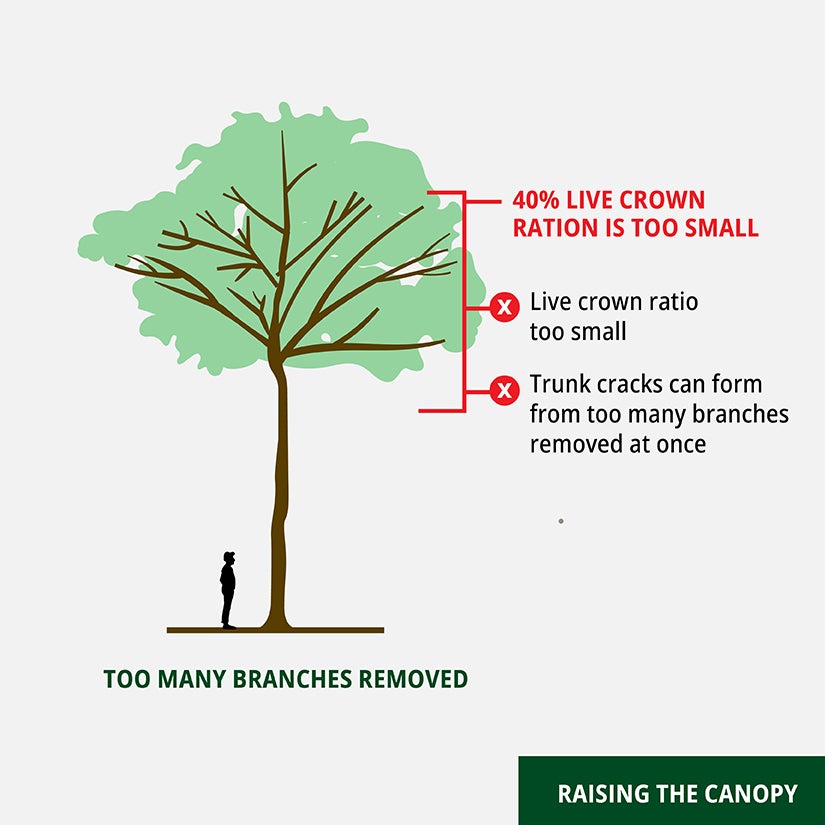
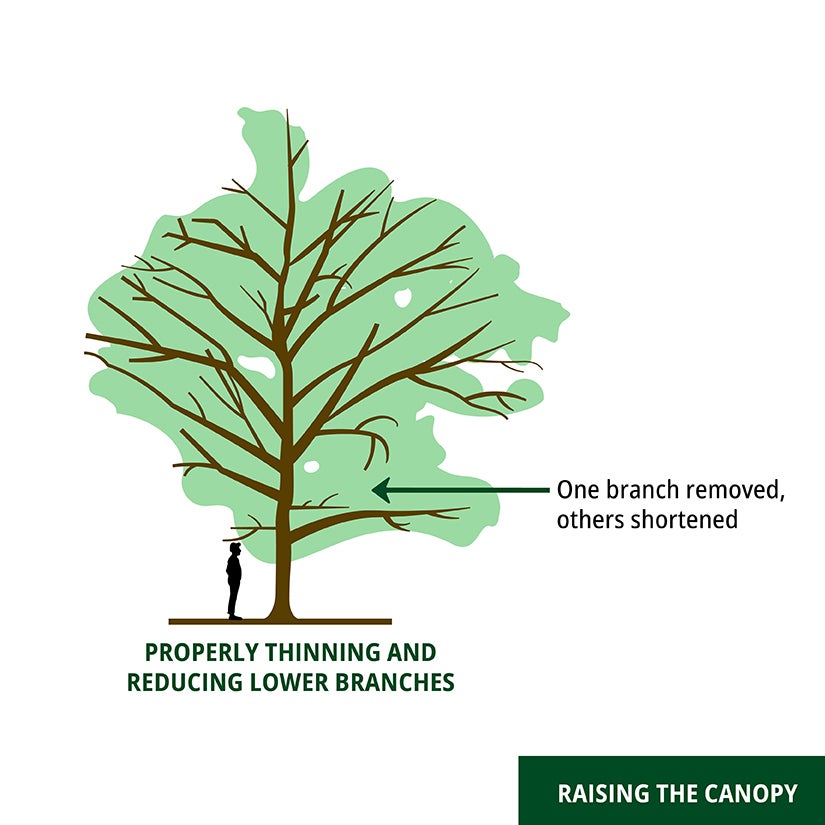
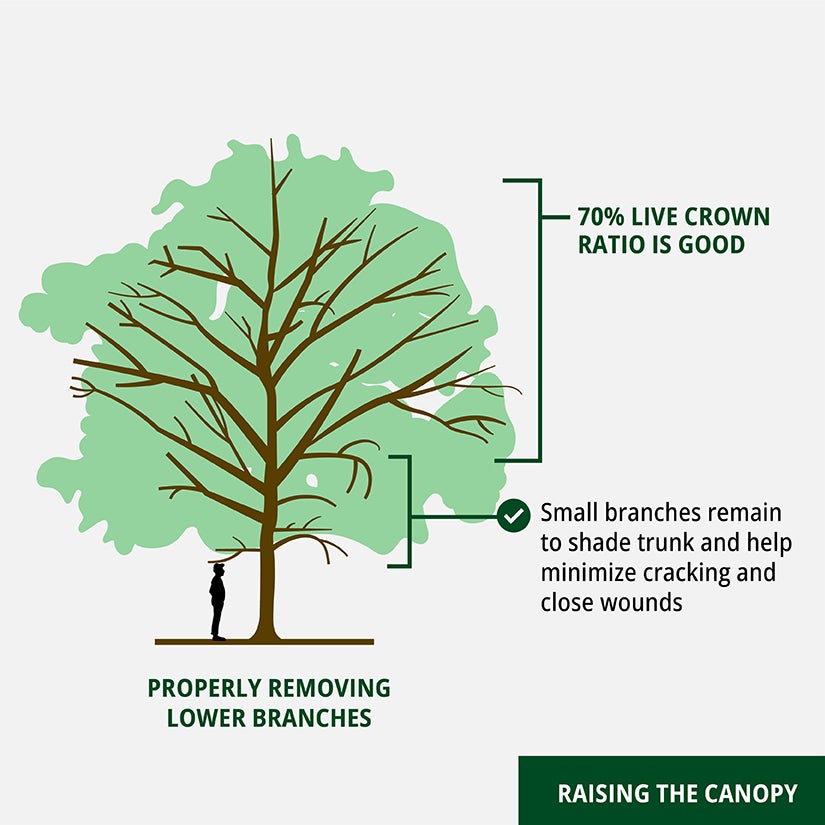
How to correctly prune trees:
Zone 2
Zone 2 extends 30 to 100 feet outward from a home or building. This area often consists of undisturbed natural vegetation and environmentally sensitive habitats, such as those within the City’s protected conservation area. Private properties located within or adjacent to Multiple Habitat Planning Area and open space areas are subject to regulations to protect sensitive plants and animals.
Please refer to these guides before conducting brush management on private property to ensure you are following the property City Regulations.
Before Beginning Brush Management Activities in Zone 2
Step 1
Determine if a covenant of easement is recorded on your property as part of a prior development approval for the construction of your home or residence. Please note that based on the conditions of the easement your brush management responsibilities may include maintaining the easement area.
Please check your homeowner records or City Development Services Department Records for copies of the easement language.
Step 2
Determine if your property is within or adjacent to the City’s Multiple Habitat Planning Area (MHPA) and Open Space. If it is not, proceed to “Steps for Zone 2 Brush Management” below for guidance on how to complete brush management. If it is, please refer to Step 3.
Step 3
Determine if biological surveys are needed before beginning brush management activities.
For private properties within or adjacent to the MHPA/Open Space and where brush management is conducted during bird breeding season (Feb. 15 through Aug. 15), the private property owner is responsible for hiring a qualified biologist to conduct biological surveys and prepare a letter to submit to BiodiverseSD@sandiego.gov that provides documentation on either the presence or absence of nests. If brush management is performed outside breeding season no survey is needed!
- Refer to the City's Guidelines for Conducting Biological Surveys for further guidance regarding a biologist's qualifications and the contents of the letter.
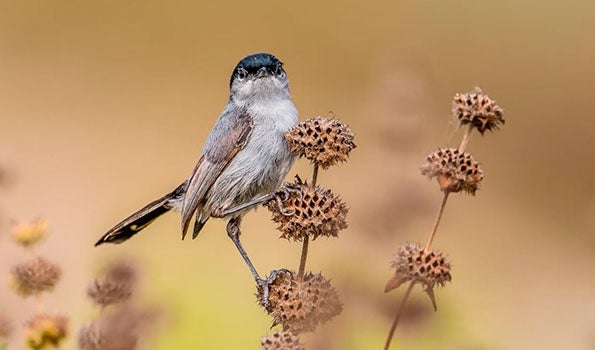
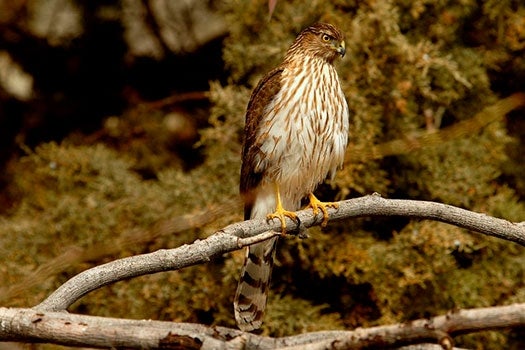
- Avoid the breeding season (Feb. 15 through Aug. 15) of sensitive birds, such as the California Gnatcatcher and Cooper’s Hawk.
Steps for Zone 2 Brush Management
Step 1
Remove
Remove and dispose of invasive plant species (see below slideshow for a few examples) and any dead wood and vegetation. This creates a buffer zone that will slow the spread of wildfire and give firefighters more time to respond. However, some plant coverage needs to be maintained for soil protection.
For chaparral and coastal sage scrub vegetation communities, dead plants are easier to identify in the spring and winter because, in the summer, they become dormant and appear dead as they lose their green leaves and turn brown.
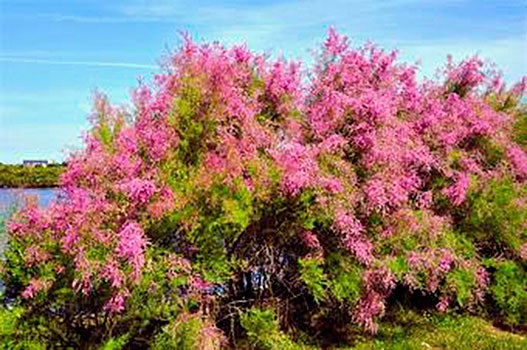 Tamarisk (Tamarix spp)
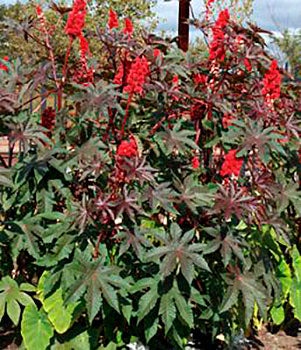 Castor Bean (Ricinus communis)
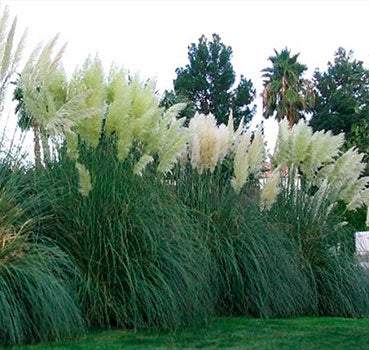 Pampas Grass (Cortaderia selloana)
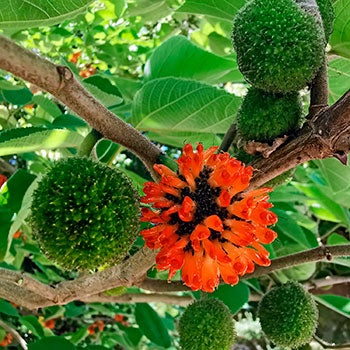 Paper Mulberry (Broussonetia papyrifera)
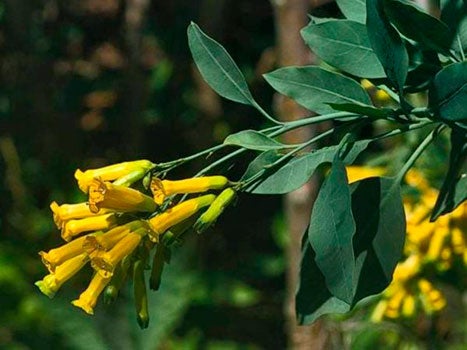 Tree Tobacco (Nicotiana glauca)
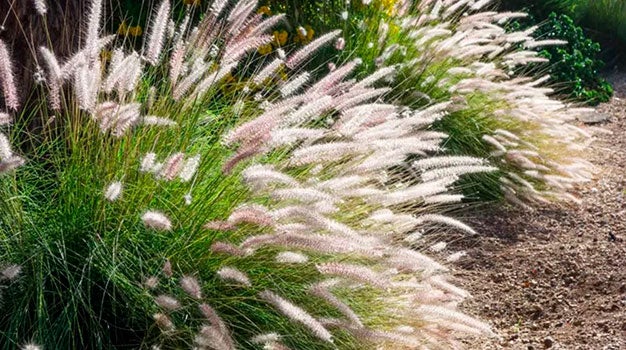 Fountain Grass (Pennisetum setaceum)
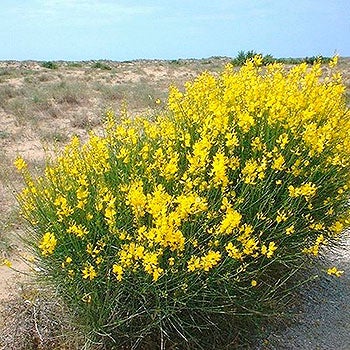 Spanish Broom (Spartium junceum)
Step 2
Thin
Thin 50% of the entire Zone 2 area. Thinning means removing smaller or underperforming trees and shrubs to reduce the fuel load.
All plants remaining after the 50% reduction, should be pruned to reduce fuel. Individual non-irrigated plant groupings over 24 inches in height may be retained provided they do not exceed 400 square feet in area and their combined coverage does not exceed 30% of the total Zone 2 area.
Step 3
Prune
- Prune all plants or plant groupings that are left after the thinning process to achieve horizontal and vertical clearances so that there is space in between trees and shrubs. Pruning involves removing dead branches, needles and other combustible material from trees and shrubs to lessen the risk of a wildfire spreading quickly.
Remaining plants that are 4 feet or more in height should be cut and shaped into umbrellas. This means pruning one half of the lower branches to create an umbrella shaped canopy. Upper branches may then be shortened to reduce fuel load as long as the canopy is intact.
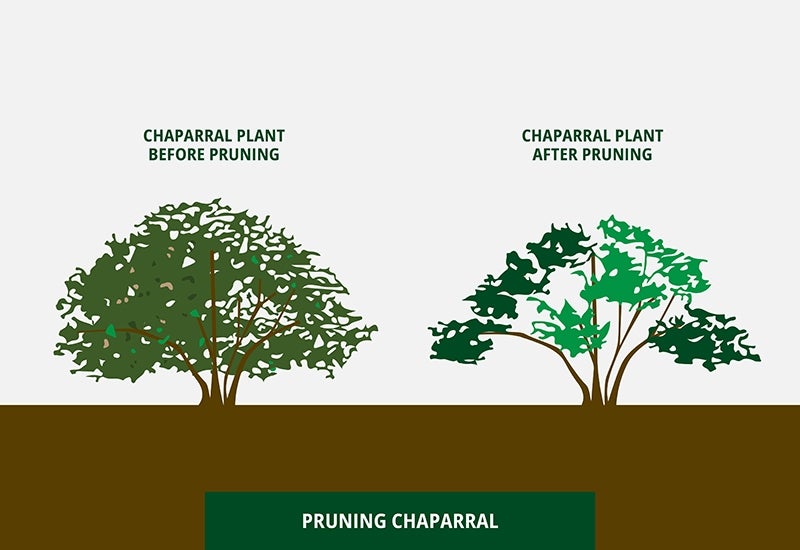
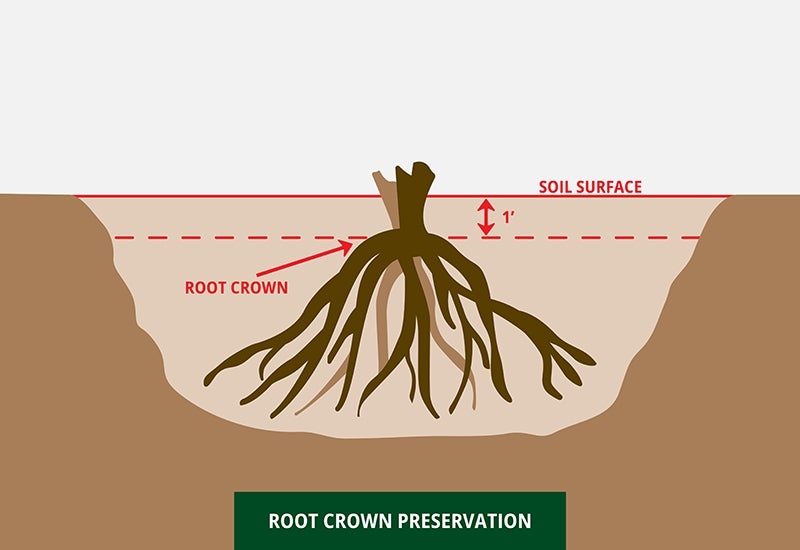
Plants that are less than 4 feet in height, like coastal sage scrub, should be cut back to within 1 foot of the root crown.
Step 4
Dispose
Dispose of the cuttings and dead wood by either bringing it to the Miramar Greenery or by placing it in your green organic waste bin (green bins). Food scraps, food-soiled paper, yard trimmings and non-hazardous wood waste can go in the green bin. You can also discard yard trimmings, such as leaves, grass and untreated wood in the green bin. Do not overfill and make sure the lid is kept closed. Green bins are collected weekly.
Step 5
Thin and prune plants annually because plants will grow back!
What’s not allowed: Structures and permanent irrigation are not permitted in Zone 2. Grading native soils or habitats is prohibited.
Timeframes & Sensitive Habitats
Areas with coastal sage scrub, coastal sage-chaparral, or maritime succulent scrub are considered environmentally sensitive habitats.
To protect wildlife during breeding season, brush clearing activities in sensitive habitats are only allowed in the city of San Diego from August 16 through January 31.
Brush clearing is not allowed from February 1 through August 15 in these habitats unless the City grants a specific exception. Biology Surveys are required to determine the presence or absence of nests in these areas prior to brush management.
Privately-conducted brush management activities are not permitted on City-owned land without prior approval from the City. To learn more and apply for a permit, visit the City’s Open Space Brush Management webpage.
Other Resources
Contact and References
- For Brush Weed Complaints, contact the City’s Fire-Rescue Department at 619-533-4444. This includes complaints about a potential fire hazard created by brush, fire hazards to structures, visual hazards to motor traffic, an impediment in the right-of-way, and an impediment to drainage.
- For Defensible Space Inspection Application and Record Searches, contact the Community Risk Reduction Division at (619)-533-4388.
- For further guidance, please refer to Section 3 Brush Management in the City’s Landscape Standards.
- Learn how the City’s Parks and Recreation Department is managing Brush Management in City-owned Open Space lands.
- Learn more about the City’s San Diego Fire-Rescue Wildfire Prevention and Mitigation section, including Proactive Door-to-Door Brush Management, Weed Abatement and Brush Complaints, Real Estate Defensible Space Inspections, and Annual Vacant Lot Weed Abatement.
Home Risk Assessment
As of July 1, 2025, San Diego property owners can request a Home Risk Assessment from San Diego Fire-Rescue. This personalized inspection provides guidance and valuable insights on defensible space, including Zone 0, to help homeowners make their homes more ember-resistant and defensible against wildfires.
Requests for this service are now being accepted for a fee of $163. To submit a request, please complete the online form. After your request is received, you will receive an email notifying you of your appointment date and time.