


Public Spaces
The Public Spaces Division develops, updates and administers policies, programs and plans that implement the General Plan, community plans, specific plans and other long-range planning documents. The division also identifies funding sources to support the financing of community-serving infrastructure such as mobility improvements, parks, recreation, libraries, and fire and police stations. Some of the specific programs under this section include City administration of development impact fees, reimbursement agreements, monitoring of development agreements and preparation of public facility plans and policies.
For more information, please see the answers to Frequently Asked Questions.
Impact Fees
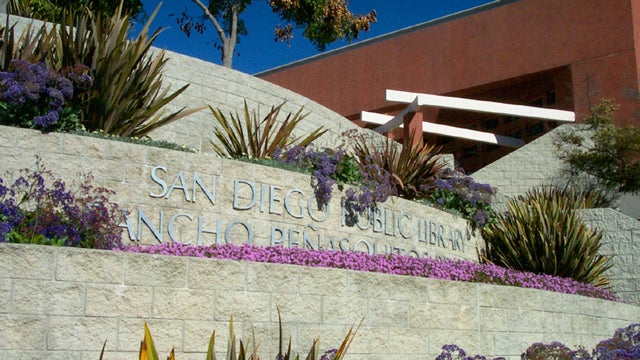
San Diego Municipal Code §142.0640 provides for the assessment and administration of development impact fees. The purpose of assessing development impact fees is to implement the City’s General Plan, which contains policies related to the maintenance of an effective facilities financing program to ensure the impact of new development is mitigated through appropriate fees. Properties and land being developed in the city of San Diego are assessed a fee for public facilities. The fee is determined by the type, size and location of the development in accordance with the adopted nexus studies for Parks, Mobility, Library and Fire for the building permit being issued. Current fees can be found on the Fee Schedule.
For refunds and appeals, please refer to the Refund and Waiver/Reduction Process Section below.
Citywide Development Impact Fees
With the adoption of Parks for All of Us and Build Better SD, all new development within the city of San Diego is assessed for development impact fees based on the resolutions adopted for Citywide Development Impact Fees for Parks, Mobility, Fire and Libraries. Development impact fees are now assessed on a citywide basis and deposited into Citywide development impact fee accounts based on asset types of Parks, Fire, Library and Mobility. The projects proposed in the Mobility Nexus study include roadway improvements, bicycle facilities, traffic signals, roundabouts, sidewalks, curb ramps, and intelligent transportation systems improvements. The Mobility Nexus focuses on key goals, including developing walkable communities, prioritizing transit, optimizing street and freeway systems, integrating intelligent transportation systems, managing transportation demand, enhancing bicycling infrastructure, and planning for future mobility needs. The Nexus Studies for Parks, Libraries, and Fire-Rescue analyze existing levels of service and conditions against current standards to determine future facility needs.
To determine a project’s Citywide Park, Fire-Rescue, Library, and Mobility Development Impact Fees, enter the project’s assessor parcel number and development information into the Citywide Development Impact Fees Calculator. To use the Citywide Development Impact Fees Calculator, you will need to download the file, and once downloaded, you can easily estimate your development impact fees.
Citywide Development Impact Fees Calculator
How to Pay Citywide Development Impact Fees
Active Transportation in Lieu Fee
This fee is required for residential and non-residential development projects located in Mobility Zone 4 and is due at final inspection. More information on how the fee is calculated is detailed in the Active Transportation In Lieu Fee Nexus Study.
The current Active Transportation in Lieu Fee is $1,769.11 per excess Vehicle Mile Traveled for residential and non-residential development projects.
To find a project Mobility Zone location, or if a project is eligible for the Active Transportation in Lieu Fee, enter the project’s assessor parcel number in the Active Transportation in Lieu Fee calculator.
For more information, refer to the Complete Community: Mobility Choice Program.
Regional Transportation Congestion Improvement Program Fees
This fee is applicable only to new residential development. On-site affordable (low-income) units may be exempt from the Regional Transportation Congestion Improvement Program Fee if the covenant restriction period is at least 55 years. The fees were established to ensure that new development directly invests in the region's transportation system to offset the negative impact of growth on congestion and mobility. To learn more about the City of San Diego Regional Transportation Congestion Improvement Program Funding Program, review the latest adopted program.
Housing Impact Fees
This fee is collected for non-residential development and is due at final inspection. This fee is deposited into the San Diego Housing Trust Fund to meet, in part, affordable housing needs in San Diego. To learn more about payment of Housing Impact Fees, review Municipal Code Section 98.0610.
School Impact Fees
School Impact Fees are based on the assessable space for residential, commercial, industrial, mixed residential and commercial, and residential care for the elderly. To calculate the fee, the developers must obtain a City of San Diego Approval Report, which documents the chargeable square footage. This report can be printed from your online permit by logging onto your online permitting account, where the chargeable square footage breakdown for residential and non-residential spaces is displayed. Once fees are determined, developers can pay fees to the applicable high school, elementary school or unified school district via the online payment site. For assistance with user accounts, obtaining the Approval Report, or refunds and appeals, developers can contact 619-446-5000. Once the School Impact Fees are paid, developers need to obtain a receipt or Certificate of Compliance from the respective school district and upload it to their online permitting account at the time of permit issuance. Additional information can be found in Information Bulletin 146.
Civic Enhancement Allocation
The Public Spaces Division collects a Civic Enhancement Allocation fee on behalf of, and as determined by, the City's Cultural Affairs Division. Non-residential development with a permit value over a certain threshold may be subject to this fee. To learn more about art in private development and the Civic Enhancement Allocation, contact Cultural Affairs.
Please be sure to visit the Development Services website for additional fees that may also apply.
Refunds
Applicants may request a refund of development impact fees when a project is canceled, its scope is substantially changed, or the fee was paid in error.
If you are requesting a refund, please submit your request within the timeframes below:
- Fees paid in error: Submit your refund request within 90 days of the payment date.
- Scope changes: Submit your refund request within 90 days of the scope change approval.
- Expired or canceled projects and permits: Submit your refund request within 180 days of expiration or cancellation.
Refund requests submitted after these timeframes cannot be processed. To apply for a refund, please complete and submit the Fee Refund Application.
Waiver/Reduction (Appeals) Process
Applicants who disagree with the City’s determination that a development impact fee is required—or who believe the calculated fee amount is incorrect—may request a waiver or reduction.
Under San Diego Municipal Code §142.0640(d), appeals must be filed within 10 calendar days after the development impact fees are paid. Please note that an application for a waiver or reduction may only be granted if the City Council finds there is no reasonable relationship between the amount of the development impact fees paid and the cost of the public facilities attributable to the specific development on which the development impact fees are imposed. To initiate this appeal process, please submit the Development Impact Fees Appeal Application. A $2,500 deposit is required per appeal application. To submit an appeal, please make an appointment with Public Spaces Division staff by emailing publicspaces@sandiego.gov.
Reimbursement and Development Agreements
Reimbursement Agreements are contracts between the City and a developer, allowing for reimbursement for a portion or all costs encumbered for public improvements provided by the developer. Some examples of eligible public improvements for reimbursement using development impact fees are streets and active transportation facilities in accordance with the mobility nexus studies, parks, libraries, and fire and police stations in accordance with the Citywide Development Impact Fees Nexus Studies and the Public Facilities Financing plans. This work performed can be reimbursed in the form of credits to be utilized on existing or future improvements or with cash.
A Development Agreement is a formal contract between the City and a developer outlining the terms of a proposed development project. These agreements establish parameters such as permitted land uses, infrastructure requirements and public benefits. Crucially, fees and financial arrangements can be negotiated between the developer and the City, providing flexibility in determining the financial obligations associated with the project based on the public benefits provided. By enabling tailored fee structures, development agreements facilitate collaborative decision-making that aligns with the goals of all parties while fostering responsible and sustainable development. Most often, fees or credits established are only to be utilized within the defined development.
By exploring these options, developers can potentially reduce the financial burden associated with development in San Diego while still contributing to the city's growth and infrastructure needs.
To learn more about reimbursement or development agreements and their benefits, refer to the City's guidance on reimbursement agreements.
On-site Park Improvement
Per Resolution R-313688 which was passed adopting a new Citywide Park Development Impact Fee, a developer may provide on-site parks, or off-site parks located in a Community of Concern (a neighborhood having a Climate Equity Index of very low, low or moderate), and in exchange can receive up to a 90% reduction in their Citywide Park Development Impact Fee. The park must meet park standards identified in the Parks Master Plan , must follow all general development plan processes in accordance with Council Policy 600-33 and meet the City's standards for the design and construction of parks.
For more information regarding the process for providing an on-site park improvement in lieu of the Citywide Parks Development Impact Fee, please email publicspaces@sandiego.gov.
Initiatives & Ongoing Work
- Fee Schedule
- Frequently Asked Questions
- DIF Plans
- DIF Exemptions
- Otay Mesa EIFD
- Citizen's Guide to Infrastructure
- Annual Reports
- Financial Summaries

Planning Department
9485 Aero Drive, M.S. 413
San Diego, CA 92123
619-235-5200
planning@sandiego.gov