


Compost Giveaways & Resources
Compost Giveaways
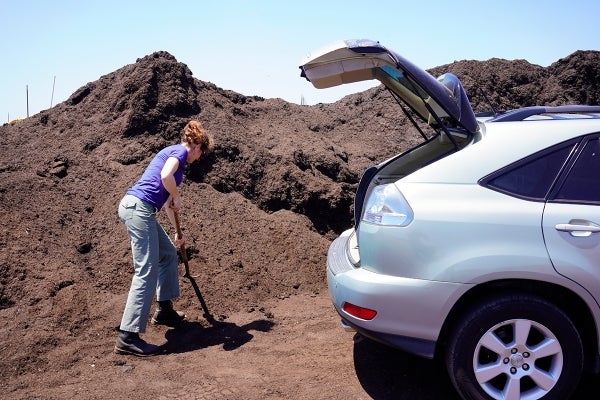
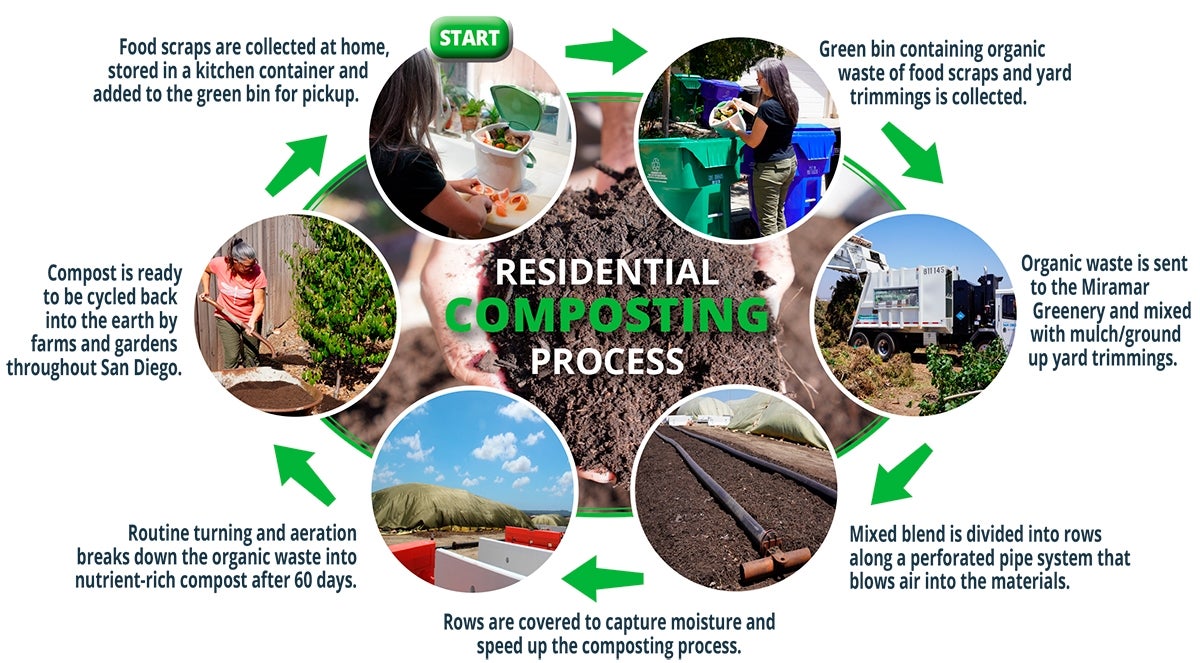
Have you ever wondered what happens after you toss yard trimmings and food scraps into your green bin? That organic waste is collected and brought to the Miramar Greenery (located at the Miramar Landfill) where it is turned into compost! This compost is available at no cost to residents of the City of San Diego and can be picked up during normal business hours.
And to increase opportunities for residents to pick up compost, the City of San Diego and I Love A Clean San Diego are partnering to host new Compost Giveaway Events on select weekends. Whether you're a seasoned gardener or just starting out, these events are perfect for anyone looking to give their plants a boost. Swing by and grab some compost to help your garden thrive!
Compost & Mulch Giveaway Event
8:00am - 12:00pm, Los Peñasquitos Ranch House
Get ready for a frightfully fresh garden boost! Join us for Boo to Bloom, where you can get your hands on nutrient-rich compost for your garden at no cost. Whether you’re a seasoned gardener, a first-time planter, or just trying to bring your plants back from the dead, this event is perfect for anyone looking to give their garden a little Halloween magic. Swing by, scoop up some compost, and help your garden grow from spooky to spectacular!
What is Compost, and Why Do We Need It?
Compost is a beneficial soil amendment that:
- Adds Life to the Soil: Increases soil organisms that help plants and ecosystems grow strong and get the water and air they need.
- Reduces Erosion: Helps bind and stabilize the soil.
- Recycles Nutrients: Makes it easier for plants to get the nutrients they need from the soil.
- Stores Carbon: Provides energy and other benefits to plants and organisms. The carbon is absorbed in the soil and keeps it out of the atmosphere helping to reduce the effects of climate change.
- Saves Water: Helps soil hold more water and drain better, so plants can handle drier conditions and use less water.
- Cuts Down on Chemicals: Means you don’t need as much fertilizer, herbicides or pesticides - saving you money and helping the environment.
How Organic Waste Recycling, Compost and Climate Change Relates to You
According to the Environmental Protection Agency, organic waste accounts for a significant portion of California’s waste stream. Left to decompose in landfills, the organic waste releases methane and contributes to climate change. Organic waste in landfills also emits air pollutants such as fine particulate matter (PM 2.5), contributing to health conditions like asthma. To address this issue, Senate Bill 1383 (SB 1383) was signed into law and targets the reduction of pollutants, including methane. Cities throughout California must meet the new reduction limits through organic waste reduction and recycling.
Term descriptions:
- Climate Change: Refers to long-term shifts in temperatures and weather patterns. Such shifts can be natural, due to changes in the sun’s activity or large volcanic eruptions. However, since the 1800s, human activities have been the main driver of climate change, primarily due to the burning of fossil fuels like coal, oil and gas.
- Climate Change Mitigation: Measures to reduce the severity of climate change impacts. For example, recycling organic waste reduces greenhouse gas emissions and the carbon in compost is stored in the soil.
- Resilience & Adaptation: Ways we adapt to current conditions already here due to climate change, such as rising temperatures, drought and more frequent and intense wildfires.
Mitigation | Resilience & Adaption |
| Reduce climate change contributing methane gas. | Increase water conservation and plant nutrients. |
| Sequester soil carbon. | Increase beneficial soil microbiology. |
| Increase plant carbon. | Increase whole system resilience. |
The Soil Amendment Climate Change Connection
Instead of being turned into methane in landfills, organic waste can be processed into a climate-change-fighting soil amendment.
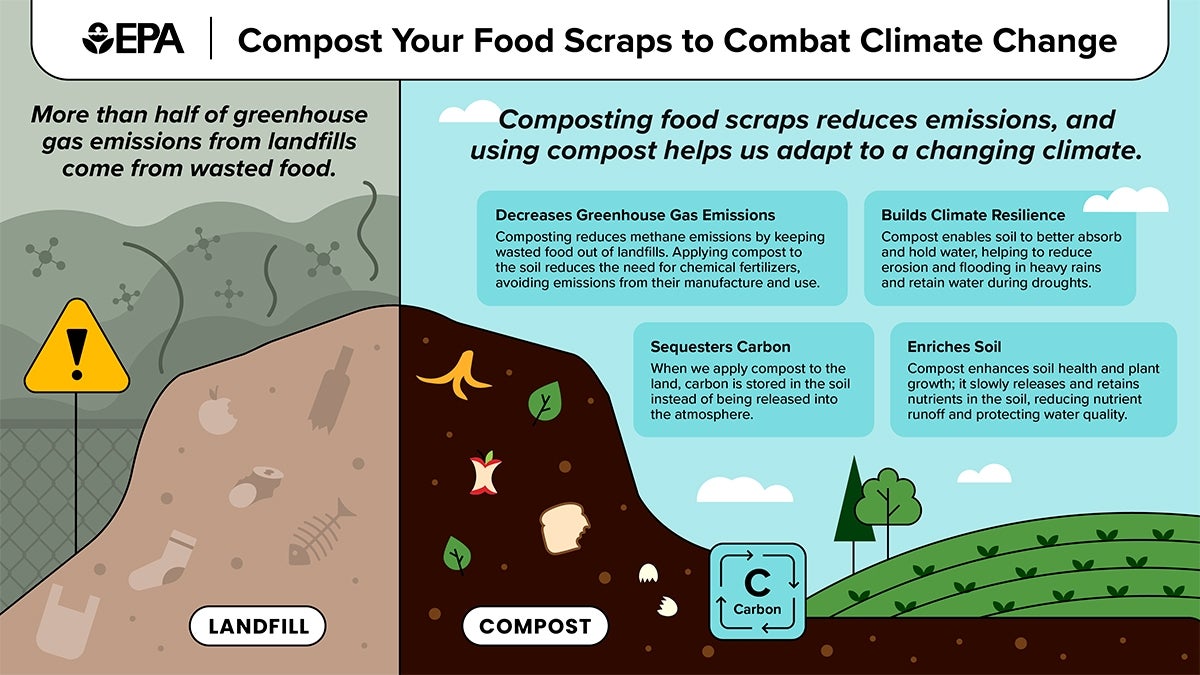
The infographic above from the U.S. Environmental Protection Agency
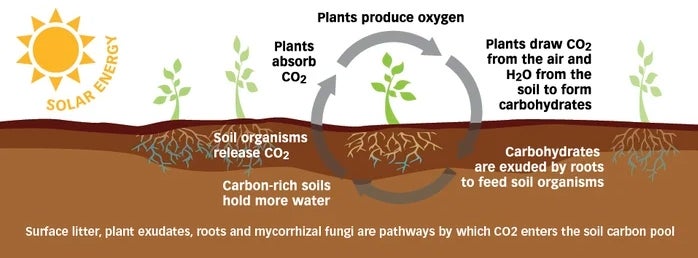
The infographic above by the Community Environmental Council
How is Compost Made?
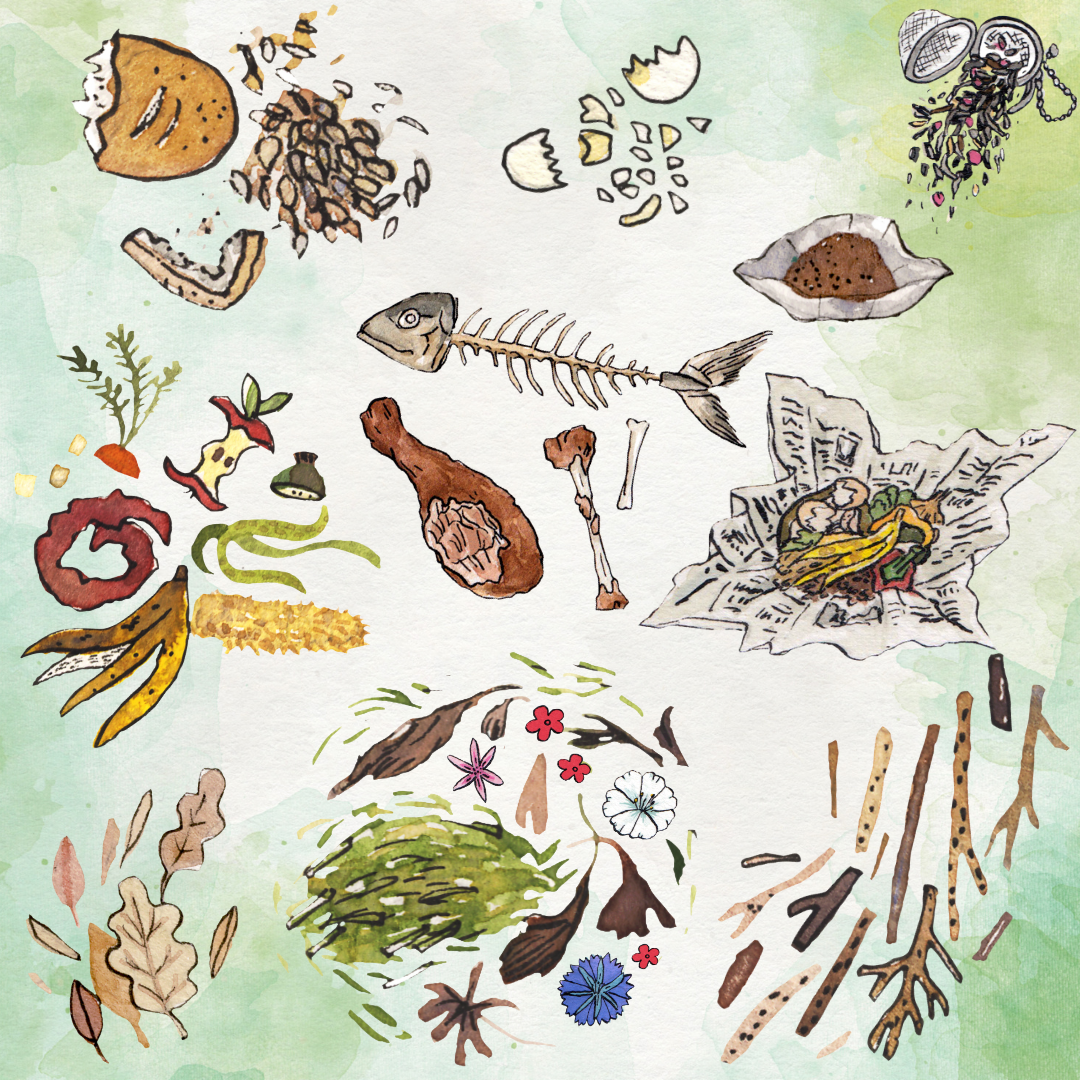
Compost is made by processing organic materials (living or once-living), such as yard trimmings, food scraps and food-soiled paper. At the City’s Miramar Greenery composting facility, we process organic waste by adding air and water to help the microorganisms break down our organic material. The microorganisms release energy by producing high heat, significantly reducing pathogens, weed seeds, pesticides and herbicides in the finished compost.
How and When Do You Use Compost?
Compost is most beneficial when used consistently over time – create a calendar or reminder to apply compost at least twice a year (such as in spring and fall).
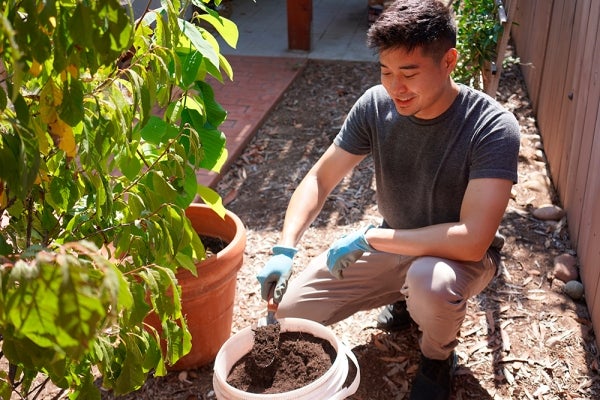
- Raised Beds & Pots: Mix 1 part compost with 4 parts soil media (such as sand, perlite and potting mix).
- Top Dress: bushes and trees* with 1 to 2 inches of compost and water it in.
- Turf Top Dress: Apply up to ¼ inch of compost over grass and water it.
- Seedings and Propagation: Mix 1 part compost with 6 parts soil media (such as sand, perlite and potting mix).
*Do not apply compost or mulch directly to the base or trunk of trees or plants.
Free Compost and Mulch at the Miramar Greenery

City of San Diego residents may self-load up to 2 cubic yards* of compost and 4-inch mulch from the Miramar Greenery for FREE with proof of residency. For more information on Miramar Greenery products and pick-up, visit the Miramar Greenery webpage.
*2 cubic yards are about two bathtubs full of material.
Backyard Composting
Guide & Supplies
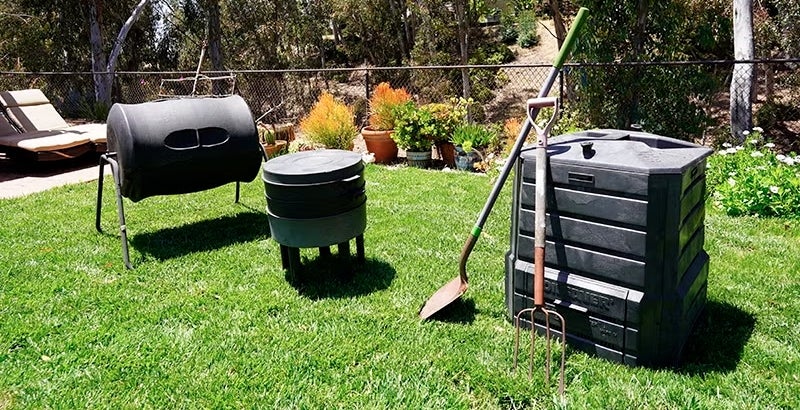
Read our helpful guide to learn how to make your own compost. A compost bin can be made from materials found around the house or purchased from a local supplier.
Compost bins and piles are high in nutrients that can cause bacteria to grow in our stormwater system. To prevent contaminated water from reaching the storm drain system and local waterways, protect compost piles and bins from runoff with berms or other preventive measures.
Composting with Worms Videos
Composting with worms is one of several ways to compost food scraps at home and can be ideal for those with limited space. The following videos will help you learn more about setting up and maintaining your own worm bin.
Composting Activities for Kids
Composting is a great place to start engaging little ones in learning more about the soil beneath our feet, how plants and the food we eat grow and how to prevent waste with proper sorting knowledge. Here are some fun activities for young environmental stewards!
- What Goes Where - Learn what goes into the compost, recycling or landfill bins by carefully cutting along the dotted outline of each cutout.
- Wormy Ways Maze - Help the worm friend make their way to their compost bin home with this maze!
- Wormy Words - Learn about the process of composting and the various techniques and types with these three levels word searches.
Have Questions?
Get more information and assistance by contacting the Environmental Services Department at sdrecyclingworks@sandiego.gov or 858-694-7000.